Destinations
Tuscany & the Val d'Orcia
The postcard, priced honestly.
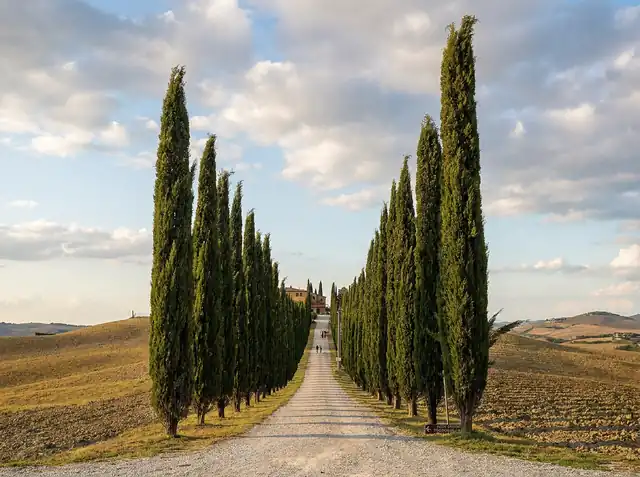
Pienza, Montepulciano, San Quirico d'Orcia, the cypress roads between them: this is the landscape that made half of our readers fall in love with Italy. It is beautiful, well-served, and genuinely livable — and it is priced accordingly.
Towns retirees shortlist
The Val d'Orcia towns are small and seasonal; many retirees prefer living near Siena, Lucca, or Arezzo — real cities with year-round life — and visiting the postcard on weekends. That choice changes both cost and quality of life significantly.
What it costs, honestly
- Housing is the most expensive of the patterns we cover: farmhouses and village homes are priced for international buyers, and rents reflect tourist demand.
- Day-to-day life is moderate if you shop where locals shop; restaurant and service prices in the famous towns carry a tourism premium.
- Livable on a solid budget, punishing on a thin one — the honest summary we give every client who asks.
Healthcare access
Tuscany's regional health system is well regarded, with strong hospitals in Siena, Florence, and Pisa. English-speaking doctors and services are easier to find here than almost anywhere else in Italy outside Rome and Milan.
Day to day
Comune offices in the tourist belt are used to foreign residents, which smooths registration and paperwork. Outside the cities you will still want a car, and August crowds change the character of the famous towns entirely.
Who this fits
Retirees with solid budgets who want beauty without giving up services — and who are honest with themselves about paying for demand.
Worth knowing: Buying in the famous belt before living through a winter there is the classic mistake: some of these towns are half-empty and very quiet from November to March. Rent first.
Your situation, checked
Get a shortlist that fits you
Every Feasibility Review ends with towns matched to your budget, healthcare needs, and the life you want — chosen on evidence, not on listing photos.
Book the Feasibility Review